
Proctology Services
- Hernia Surgeon in Chinchwad /PCMC
- Anal Fistula Treatment
- Laser Hemorrhoidoplasty
- Anal Fissure Treatment
- Piles (Hemorrhoids) Treatment
- Pilonidal Sinus Treatment
- Stapler Piles (ΜΙΡΗ)
- STARR Stapled Transanal
- Rectal Prolapse Specialist in Pimpri Chinchwad
- Gastroenterologist
- Laser Piles Treatment
- Laser Treatment for Anal Fistula
- Anal Polyps Treatment
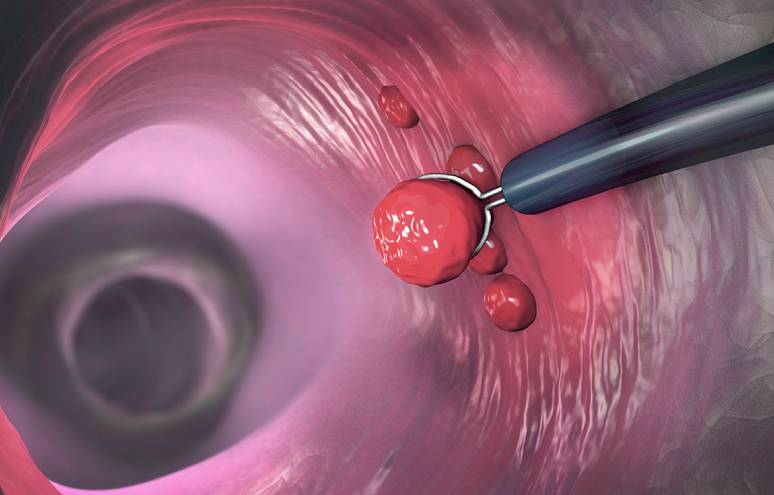
What Are Anal Polyps?
Anal polyps are small, abnormal growths that develop in the lining of the anal canal or lower rectum. They are usually painless and often discovered during routine examinations or investigations for other digestive issues. While many anal polyps are benign (non-cancerous), some types can develop into cancer if left untreated, which is why early diagnosis and treatment are important.
Causes of Anal Polyps
Anal polyps can form due to several reasons, including:
- Chronic inflammation of the rectum or anus
- Long-standing constipation or straining during bowel movements
- Inflammatory bowel diseases (such as ulcerative colitis)
- Genetic or family history of colorectal polyps
- Aging and lifestyle factors
Symptoms of Anal Polyps
Many people with anal polyps do not experience symptoms. However, when symptoms occur, they may include:
- Rectal bleeding
- Mucus discharge from the anus
- A feeling of incomplete bowel emptying
- Anal discomfort or irritation
- Changes in bowel habits
If you notice persistent bleeding or unexplained anal symptoms, medical evaluation is strongly advised.
Diagnosis of Anal Polyps
Accurate diagnosis is essential to determine the type and risk associated with the polyp. Common diagnostic methods include:
- Digital rectal examination
- Proctoscopy or sigmoidoscopy
- Colonoscopy (to check for additional polyps in the colon)
- Biopsy to rule out cancerous changes
Anal Polyps Treatment Options
Treatment depends on the size, number, and type of polyp:
- Polypectomy (Polyp Removal):
Small and medium-sized polyps are usually removed during endoscopy using specialized instruments. This is a safe, minimally invasive procedure. - Surgical Removal:
Larger polyps or those suspicious for cancer may require surgical excision under anesthesia. - Histopathological Examination:
After removal, polyps are examined in a laboratory to confirm whether they are benign, precancerous, or cancerous.
Recovery and Aftercare
- Most patients recover quickly after polyp removal
- Mild discomfort or minimal bleeding may occur temporarily
- A high-fiber diet and adequate hydration are recommended
- Regular follow-up may be advised to monitor recurrence
Why Early Treatment Matters
Although most anal polyps are harmless, some can gradually progress into serious conditions if ignored. Early treatment not only relieves symptoms but also significantly reduces the risk of colorectal or anal cancer.
When to See a Doctor
Consult a specialist if you experience:
- Persistent rectal bleeding
- Ongoing anal discomfort
- Changes in bowel habits
A family history of colorectal polyps or cancer